【Wastewater Treatment】Odor Improvement and Sludge Volume Reduction
[Case] Contributing to odor improvement and sludge volume reduction
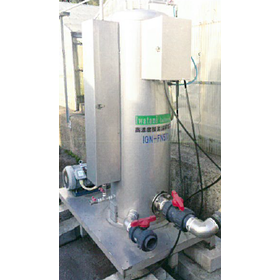
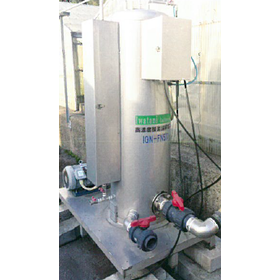
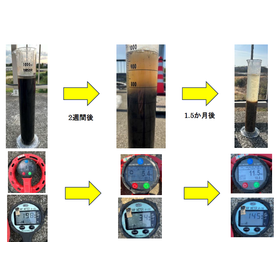
Hydrogen sulfide and ammonia generated within wastewater treatment facilities. These are causes of foul odors and can, in some cases, lead to corrosion of the equipment. The cause of the foul odor is the lack of oxygen in the wastewater. Gases that lack oxygen and have hydrogen attached to them will produce foul odors. The image shows the changes in DO, ORP, and SV30 before and after the installation of an oxygen fighter in a certain wastewater treatment facility. As shown in the image, before the installation of the oxygen fighter, the DO was 0.03 mg/L and the ORP was -198 mV. After two weeks of operation, the DO and ORP improved, and after 1.5 months, the ORP changed from -198 mV to +145 mV. Additionally, the SV30 gradually improved from a state of almost no sedimentation from 800 mL to 500 mL, allowing for clearer supernatant to be obtained. This is a case where foul odors were improved along with successful reduction of sludge volume. Enhancing wastewater treatment facilities requires significant costs and space. The oxygen fighter is a retrofittable device that boasts a flow rate of 1,152 m³ per day in medium-sized units. One of its appealing features is its ability to adapt to changes such as temperature increases due to heat and changes in water quality resulting from modifications to production within the factory since the design of the wastewater treatment facility.
- Company:大栄THA
- Price:Other